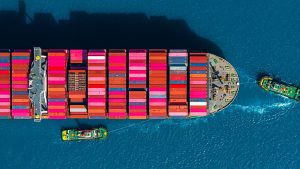
Iran occupies a unique position in the global trade ecosystem, offering exporters and foreign buyers a broad spectrum of opportunities across various industries. Despite long-standing external challenges, Iran’s manufacturing capabilities, resource diversity, and strategic geographic location have created a resilient export environment. In recent years, several product categories have shown strong potential for international expansion, driven by competitive pricing, improving production standards, and rising global demand. This article provides an overview of the most promising export opportunities in Iran and highlights the key factors that make Iranian products attractive to global markets.
1. Petrochemical and Chemical Products
Iran holds one of the world’s largest hydrocarbon reserves, which fuels its strong petrochemical sector. The country consistently exports raw materials and downstream chemical products—including polyethylene, polypropylene, methanol, urea, and various solvents—to markets across Asia, Europe, and Africa. Competitive feedstock prices give Iranian petrochemical exports a cost advantage. As global demand for polymers and industrial chemicals continues to grow, Iran’s well-developed network of petrochemical complexes positions it as a reliable supplier. Despite certain restrictions in shipping and banking, many buyers continue sourcing from Iran due to attractive pricing and stable quality.
2. Minerals and Metals
Iran is rich in mineral resources such as iron ore, copper, zinc, lead, and chromite. In addition, semi-finished and finished metal products—rebar, billets, slabs, and steel sheets—are among the leading export categories. Iranian steel manufacturers have made significant technological improvements, reaching competitive quality levels that appeal to regional buyers. Growth in construction and infrastructure development across the Middle East, Africa, and South Asia continues to fuel demand for these materials. Increasing investments in mining and processing facilities indicate even greater export potential in the coming years.
3. Agricultural and Food Products
Agriculture is one of Iran’s strongest export pillars. The diversity of climate zones allows for the production of high-value crops that outperform many competitors in terms of quality and flavor. Iranian pistachios, saffron, dates, raisins, figs, and pomegranates remain globally recognized products with strong brand identity. Premium products such as saffron and pistachios hold dominant global market shares, while dried fruits and nuts maintain consistent demand. Iran is also expanding its exports of herbal extracts, organic honey, tomato paste, and fruit concentrates. Competitive farm-gate prices, traditional cultivation methods, and growing global interest in natural and organic foods all contribute to the sector’s resilience.
4. Pharmaceuticals and Medical Supplies
Iran has developed an advanced pharmaceutical manufacturing industry capable of producing both generic medicines and specialized medical products. The export portfolio includes a wide array of antibiotics, injectables, tablets, ointments, diagnostic kits, and medical disposables. Many Iranian pharmaceutical brands comply with international standards and have already penetrated markets in the Middle East, Central Asia, and Africa. With ongoing expansions in biotechnology and vaccine development, the industry is positioned to increase its export footprint over the next decade.
5. Construction Materials and Industrial Goods
The construction sector is another source of export strength. Iran produces cement, gypsum, tiles, stones, engineered quartz, polymers for construction applications, and various hardware items. Due to low production costs and abundant raw materials, Iranian construction materials are price-competitive in regional markets. Growing demand for affordable building materials in neighboring countries—particularly Iraq, Afghanistan, Pakistan, and parts of Africa—offers steady export growth.
Additionally, Iran’s industrial manufacturers export machinery parts, electrical components, automotive spare parts, pumps, and compressors. These products cater to buyers looking for mid-range, cost-efficient alternatives to European or East Asian brands.
6. Textiles, Apparel, and Home Furnishings
Although less publicized, Iran’s textile and garment industry has significant export potential. High-quality carpets and rugs remain iconic export items. Handmade Persian carpets, in particular, hold unmatched artistic and cultural value. Beyond carpets, Iran exports fabrics, home textiles, and certain types of ready-made clothing. As global preferences shift toward natural fibers and artisanal products, Iranian textiles could expand further in international markets.
7. Digital Services and Knowledge-Based Products
A newer but rapidly growing sector is Iran’s export of technology services. The country has a large pool of skilled engineers and IT professionals, enabling the export of software development, IT services, and digital products. Iranian knowledge-based companies are also developing industrial automation systems, laboratory equipment, nanotechnology products, and innovative materials. As global demand for engineering solutions and scientific products increases, Iran’s knowledge-based sector is emerging as one of the most dynamic export categories.
8. Strategic Advantages Supporting Iranian Exports
Iran benefits from several structural advantages:
-
Geographic location: Positioned between Central Asia, the Middle East, and Europe, Iran sits on major trade routes and has access to open waters through the Persian Gulf and the Oman Sea.
-
Competitive labor and production costs: Lower manufacturing costs increase price competitiveness across multiple sectors.
-
Growing regional partnerships: Expanding trade with neighboring countries, EAEU members, and Asian economies reduces dependency on traditional markets.
-
Diverse product base: Iran can export both resource-based goods and advanced industrial products.
Conclusion
Export opportunities in Iran span traditional industries such as petrochemicals and agriculture, as well as emerging sectors like pharmaceuticals, digital services, and knowledge-based manufacturing. With competitive pricing, diverse resources, and a strategic location, Iran offers a strong platform for buyers and partners seeking reliable suppliers in the region.