Import and export activities function as the core engine of international trade. In today’s interconnected world, no country can thrive in isolation, and global commerce has become an essential driver of economic stability, technological development, and long‑term national competitiveness. The increasing integration of markets, rapid digitalization, and the rise of cross‑border supply chains have elevated the importance of international trade far beyond traditional commercial exchanges. For modern businesses, especially those operating in manufacturing, distribution, logistics, or technology, understanding the strategic value of imports and exports is critical for growth. This article examines the major reasons import and export operations matter in today’s global economy, highlighting their impacts on economic development, innovation, employment, market expansion, and global resilience.
International trade enables nations to access goods and services that they cannot efficiently produce themselves. Natural resources, climate, manpower specialization, and technological capability differ widely across countries. Importing allows a country to obtain high‑quality products, advanced technologies, and essential raw materials at competitive prices. Exporting, in turn, gives countries the opportunity to sell their domestic products internationally, supporting local industries and increasing national income. This global interdependence ensures that economic productivity is optimized by allowing each region to focus on what it produces best. From agricultural commodities and minerals to consumer electronics and industrial equipment, imports and exports collectively support the full spectrum of global commercial activity.
One of the most significant benefits of import and export operations is their contribution to economic growth. Exports drive revenue into a country, increase foreign exchange reserves, and strengthen domestic industries. When local manufacturers gain access to global markets, they can scale production, reduce unit costs, and enhance product quality. Imports play an equally important role by enabling companies to source inputs that are either unavailable or too expensive domestically. This enhances production efficiency, reduces operational costs, and contributes to competitive pricing. Together, imports and exports improve GDP performance, support economic diversification, and provide governments with the financial resources needed for infrastructure development.
International trade is also a powerful catalyst for innovation. Countries with open trade policies are exposed to global ideas, advanced technologies, and modern manufacturing standards. Imports often introduce cutting‑edge equipment, new materials, and innovative processes that improve domestic production capabilities. Exporting, on the other hand, pushes companies to meet global quality standards, invest in research and development, and continuously innovate to remain competitive. This exchange of knowledge and technology accelerates national growth by upgrading domestic industries and stimulating cross‑sector innovation.
Employment generation represents another major advantage of strong import and export sectors. Export‑oriented industries often employ large numbers of workers in production, logistics, marketing, shipping, and quality control. Indirect jobs are also created through supply chains that support these industries. Imports create jobs as well by fueling retail, wholesale, transportation, and customs services. In developing countries, trade‑driven sectors can play a pivotal role in reducing unemployment and raising living standards. As global demand increases, export‑oriented companies expand their operations, contributing to long‑term national stability.
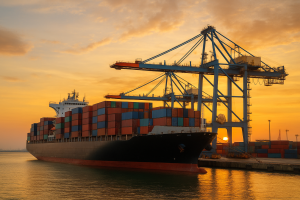
Market expansion is one of the top strategic reasons businesses engage in export activities. Domestic markets often have limited growth potential, but international markets provide access to millions of new customers. Exporting protects companies from local economic fluctuations, reduces dependency on a single market, and increases brand resilience. For importers, global sourcing helps diversify supply chains and reduces the risk of disruptions. Companies that build international supply networks gain flexibility, better price options, and the ability to adapt quickly to market changes.
In today’s world, supply chain resilience has become one of the most important advantages of international trade. Import and export diversification allows companies to avoid overreliance on a single supplier or market. Events such as natural disasters, political instability, pandemics, and transportation disruptions have shown the need for flexible and globally distributed supply chains. Businesses using multiple import sources and exporting to multiple regions are better equipped to withstand shocks, maintain profitability, and protect operational continuity. International trade strengthens global resilience by facilitating cross‑border cooperation and resource sharing.
On a geopolitical scale, imports and exports influence international relations, strengthen diplomatic ties, and support global peace. Economic cooperation encourages political stability by creating shared interests between nations. Countries engaged in high levels of bilateral trade are less likely to experience conflict because both sides benefit economically. Trade agreements and international partnerships further enhance cooperation in sectors such as energy, technology, agriculture, and security. Through import and export activities, countries build long‑term alliances that support global prosperity and stability.
Small and medium‑sized enterprises (SMEs) also benefit significantly from participation in international trade. Access to foreign markets enables SMEs to grow faster, increase revenues, and compete at higher levels. Technology has made global expansion easier than ever: digital platforms, e‑commerce, and online B2B marketplaces allow even small businesses to sell internationally. Imports help SMEs reduce operational costs by accessing affordable raw materials, machinery, and components, enabling them to innovate and scale efficiently. Supporting SMEs in trade activities leads to broader economic benefits, including job creation, innovation, and regional development.
In conclusion, the importance of import and export activities in today’s global economy cannot be overstated. They drive economic growth, support innovation, create jobs, strengthen supply chains, expand markets, and enhance geopolitical stability. For countries and businesses alike, international trade is not merely an opportunity but a necessity for long‑term success. As globalization continues to shape the future, companies that embrace cross‑border commerce will gain a competitive advantage and contribute to global progress. Understanding the dynamic nature of imports and exports is essential for building sustainable strategies in the modern economic landscape.